40 Fun Family Game Night Ideas Everyone Will Love
Family game night is one of my favorite ways to bring everyone together without spending much money or planning a big outing. I like mixing guessing games, silly minute-to-win-it challenges, creative activities, and outdoor fun so everyone has something to enjoy. Whether I’m planning a rainy-day activity with kids or a weekend get-together with adults, the right games can turn an ordinary evening into a memorable one.
In this guide, I’m sharing 40 family game night ideas for different ages, group sizes, and settings. You’ll find easy indoor games, team competitions, funny challenges, and hands-on activities that need little preparation. Most use everyday household items, so you can get started without buying a lot of supplies.
Key Takeaways
- Easy indoor games: Mad Libs, Charades, Bingo, and 20 Questions are simple options for a relaxed evening.
- Active family challenges: Try Hot Lava, Musical Chairs, Twister, or Defying Gravity when everyone wants to move around.
- Funny group competitions: Chocolate Face, Junk in the Trunk, and Heads Up bring plenty of laughs.
- Creative activities: Pictionary, Treasure Hunt, and Bake a Dessert let everyone use their imagination.
- Budget-friendly fun: Many of these games need only paper, cups, balloons, or items you already have at home.
1. Mad Libs
Mad Libs is a word game I enjoy when everyone wants something funny without needing to move furniture or prepare supplies. One person reads a story with missing words, while the other players suggest nouns, verbs, adjectives, and other parts of speech without knowing the story’s context.
To play, I either use a printed Mad Libs story or write a short paragraph with blanks. Once everyone has supplied their words, I read the completed story aloud. The unexpected combinations usually create the funniest moments, especially when younger players come up with unusual answers.
My tip: Let younger children suggest words first, and encourage adults to join in instead of correcting silly answers. The stranger the suggestions, the better the story often turns out.
2. Jeopardy
Jeopardy is a great choice when my family wants a little friendly competition. I divide everyone into teams and prepare trivia questions under categories such as movies, animals, history, food, sports, and general knowledge. Each question receives a point value based on its difficulty.
One person acts as the host, reads the clues, and keeps track of the score. Teams take turns choosing categories and answering questions. Correct answers earn points, while incorrect answers can give another team a chance to respond if that rule is included.
I like adjusting the questions to suit different ages, so younger children aren’t competing against adults on an unfair playing field. A homemade scoreboard and a simple bell or hand-raising rule are enough to get started.
3. Hedbanz
Hedbanz is a guessing game that keeps everyone thinking and laughing. Each player wears a headband with a card showing a word or picture they cannot see. The aim is to figure out what’s on the card by asking questions that other players can answer with yes or no.
For example, I might ask, “Am I an animal?” or “Can I be found in a kitchen?” I continue asking questions until I guess the answer or reach the round’s time limit. Players can earn points for correct guesses, and the person with the most points at the end wins.
If I don’t have the official game, I make my own version using sticky notes and simple words. This works particularly well for family gatherings because everyone can take part without needing complicated instructions.
4. Chopped
Chopped brings the excitement of a cooking competition into my kitchen. I divide the family into teams and give each team a basket of mystery ingredients. Their challenge is to turn those ingredients into an appealing dish before the timer runs out.
I usually allow around 20–30 minutes for a simple family version, depending on the recipe and the ages of the players. Once time is up, everyone presents their creations, and a small judging panel scores each dish for taste, creativity, and presentation.
For younger children, I use ingredients that don’t require sharp knives or complicated cooking techniques. Adults can handle hot pans and other potentially dangerous equipment.
My tip: Choose ingredients that work together, such as cheese, cooked chicken, vegetables, and tortillas. The challenge should be creative rather than wasteful, and everyone should be able to enjoy the food afterward.
5. Heads Up
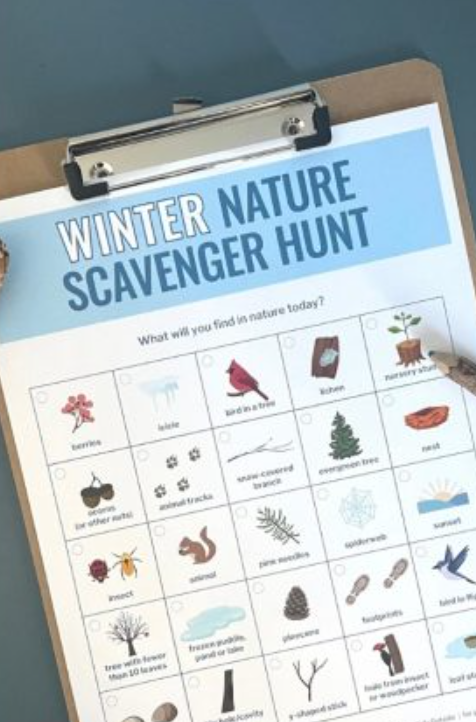
Heads Up is an easy game to bring out when I want everyone involved in a lively guessing challenge. One player holds a phone against their forehead with a word displayed on the screen, while the rest of the group gives clues to help them guess it.
I choose a category, such as animals, celebrities, films, or everyday objects, and set a short round. The player tries to guess as many words as possible before time runs out. Depending on the version being played, tilting the phone can indicate a correct answer or a pass.
If I don’t want to use a phone, I write words on cards and hold them above the guesser’s head. It works just as well and makes the game accessible to everyone.
6. Treasure Hunt
A treasure hunt is one of my favorite ways to turn an ordinary room or backyard into an adventure. I hide a small prize and prepare a series of clues that lead players from one location to the next. Each clue points toward the next hiding place until someone reaches the treasure.
For younger children, I use picture clues, simple riddles, or color hints. Older kids and adults can solve word puzzles or more challenging clues. I can also divide the family into teams and give everyone the same starting point.
The treasure doesn’t have to be expensive. Stickers, homemade treats, small toys, or the chance to choose the next family activity can all make good rewards.
7. Bingo
Bingo is a classic choice when I need a game that is easy to explain and suitable for a mixed-age group. Each player receives a card with numbers or pictures arranged in a grid. One person calls out random numbers or displays picture cards, and everyone marks matching spaces.
Before starting, I decide which pattern players need to complete. It might be a horizontal row, a vertical column, a diagonal, or a full card. The first person to complete the pattern calls out “Bingo!” and wins the round.
I sometimes make themed cards for birthdays, holidays, or family reunions. For younger children, picture bingo with animals, foods, or household objects can be easier than number-based cards.
8. Detective Games
Detective games are ideal when my family enjoys solving puzzles and uncovering secrets. I create a simple mystery, hide clues around a room, and ask everyone to work out what happened, who is responsible, or where a missing object has gone.
I might leave a coded note, a list of suspects, a drawing, or a series of clues that gradually reveal the answer. Players can work individually or form teams, depending on the group size.
For an easier version, I hide an object and provide clues about its location. Older players can tackle a longer mystery with several suspects and misleading details.
My tip: Make sure every clue leads somewhere useful. A mystery is more enjoyable when players can solve it through observation and teamwork rather than random guessing.
9. Virtual Game Night
Virtual game night helps me stay connected with family members who live far away. All I need is a video-calling platform, a stable internet connection, and a few games that work well through a screen.
I can organize online trivia, play virtual Pictionary, act out words in a game of charades, or run a round of 20 Questions. For drawing games, a shared digital whiteboard makes it easier for everyone to see the clues.
Before the call, I send the rules and prepare the questions or prompts. Keeping rounds short helps everyone stay involved, especially when younger children are participating.
10. Family Scavenger Hunt
A family scavenger hunt gives everyone a list of items to find or tasks to complete within a set time. I prepare a list that fits the location, whether we’re playing inside the house, in the garden, or in a safe outdoor area.
The list might include a red object, a soft toy, a leaf, something round, or a family photo. I can also include simple tasks, such as taking a picture with a pet or finding an object that starts with a particular letter.
Players work alone or in teams, and the person or team that completes the most tasks wins. I avoid items that require climbing, entering unsafe areas, or disturbing other people.
11. Pie Face
Pie Face is a silly game built around suspense. Players take turns placing their faces in the designated opening and turning the handles on the game mechanism. At any moment, the hand can spring forward and deliver a face full of whipped cream.
I make sure the playing area is easy to clean and use only a small amount of whipped cream. Players take turns following the game’s instructions, and everyone waits to see who gets the surprise.
If I don’t have the official set, I choose another harmless challenge involving a spinner or random outcome instead of trying to build an unsafe homemade mechanism.
12. Selfie Hot Potato
Selfie Hot Potato combines a familiar passing game with funny photographs. Everyone sits in a circle and passes a phone around while music plays or a timer counts down. When the music stops, the person holding the phone takes a selfie or poses for a group picture.
I prefer having one person control the music rather than using a timer that could interrupt the game unpredictably. Each round produces a different pose, expression, or silly face.
Before starting, I make sure everyone is comfortable being photographed and agrees to how the pictures will be shared. The aim is to create funny memories without embarrassing anyone.
13. Charades
Charades is a reliable option when I want a game that needs almost no equipment. One player draws a word or phrase and acts it out without speaking, while the rest of the group tries to guess the answer.
I write prompts on small slips of paper and place them in a bowl. Categories can include animals, occupations, films, household activities, or well-known characters. Each player gets around 30–60 seconds to act out a prompt, depending on the difficulty.
I divide larger groups into teams and award a point for each correct guess. For younger children, I choose simple actions like brushing teeth, swimming, or pretending to be a cat.
14. 20 Questions
Twenty Questions is a simple guessing game that encourages players to think carefully about the clues they receive. One person secretly chooses an object, animal, place, or person, and the other players have up to 20 yes-or-no questions to identify it.
I start with broad questions, such as “Is it alive?” or “Can I find it inside a house?” As the answers narrow down the possibilities, players can ask more specific questions.
If someone guesses correctly within the limit, they win the round and choose the next mystery item. If nobody gets it, the person who chose the answer reveals it before the next round begins.
15. Hot Lava
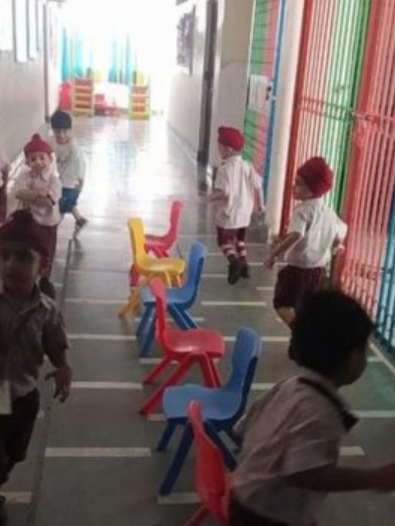
Hot Lava turns the living room into an imaginary obstacle course. I place cushions or sturdy floor mats a short distance apart and tell everyone that the floor is lava. Players must move between the safe spots without touching the ground.
I keep the course simple, with enough space between each spot for everyone to move safely. Players can race to a finish line or try to complete the course without stepping off the cushions.
For younger children, I place the cushions close together and remove slippery rugs or objects from the surrounding area. The fun comes from pretending and problem-solving, not from making the jumps difficult or risky.
16. Twister
Twister is a colorful game that challenges players to balance and follow instructions at the same time. The game uses a mat covered with colored circles and a spinner that determines which hand or foot goes on which color.
I spin the pointer and have everyone follow the instructions while trying to stay upright. As more players stretch across the mat, it becomes harder to maintain balance without touching the floor with a knee or elbow.
The last player who remains in position wins. I use the game on a flat, nonslip surface and leave enough room around the mat to prevent accidental bumps.
17. Musical Chairs
Musical Chairs is a lively game that works well for family parties. I arrange chairs in a circle, using one fewer chair than the number of players. Everyone walks around the chairs while the music plays.
When the music stops, players try to sit down. Whoever is left standing steps out of the round, and I remove one chair before starting the music again. The game continues until one player remains.
I remind everyone to walk instead of pushing or rushing toward a chair. For very young children, I sometimes leave all players in the game and simply award a point to whoever sits first.
18. Pictionary
Pictionary is a drawing game that can be hilarious even when nobody considers themselves artistic. One player draws a word or phrase while their teammates try to guess it before the timer runs out.
I prepare paper, markers, and a list of prompts in advance. The person drawing cannot speak, write letters, or use numbers to give away the answer. Teams earn points for correct guesses, and the team with the highest score after several rounds wins.
I choose simple words for children and more challenging phrases for adults. A whiteboard makes it easier for everyone to see the drawing, but ordinary paper works just as well.
19. Simon Says
Simon Says is an easy game for testing listening skills and quick reactions. One person becomes the leader and gives instructions, such as touching your nose, clapping your hands, or standing on one foot.
Players should follow an instruction only when the leader begins with “Simon says.” If the leader gives a command without those words, anyone who follows it is out for that round.
I keep the commands simple at first and gradually make them trickier. For a more relaxed version, players who make a mistake perform a funny action and then return to the game.
20. Tug of War
Tug of War is a team game that works best outdoors in a clear, open area. I divide the players into two reasonably balanced teams and give each team one end of a suitable rope. A line marks the center, and the goal is to pull the opposing team across it.
Before playing, I check the ground for stones, holes, and slippery patches. Everyone should wear suitable footwear and hold the rope securely without wrapping it around their hands or body.
I avoid sudden jerking, pulling around the waist, and using the rope around the neck or other body parts. A clear start and stop signal helps keep the competition under control.
21. 5 Second Rule
The 5 Second Rule challenges players to name three things in a category before five seconds have passed. One player reads a prompt, such as “Name three types of fruit,” and the person answering must respond quickly.
I use a phone timer or count down aloud to add pressure. Categories can cover foods, animals, colors, sports, or things found around the house.
A correct answer earns a point, and the player with the most points after a set number of rounds wins. I adjust the categories to suit the players’ ages, making the game challenging without making it frustrating.
22. Stack It Up
Stack It Up is a simple competition that tests patience and steady hands. I give each player an equal number of blocks or plastic cups and set a timer for one minute. When the timer starts, everyone tries to build the tallest tower they can.
At the end of the round, I measure the towers that are still standing. The tallest stable structure wins, while anyone whose tower falls can try again in the next round.
For younger children, I use large lightweight blocks instead of small pieces. This makes the activity easier to handle and reduces the chance of pieces becoming a choking hazard.
23. Speed Eraser
Speed Eraser is a quick tabletop challenge that requires focus and a little practice. I place several plastic cups on a table and give each player a few clean, lightweight erasers. The goal is to bounce the erasers off the tabletop and into the cups before time runs out.
I give everyone one practice attempt before starting the official round. Each successful shot earns a point, and the player with the highest score wins.
I keep the cups away from the table’s edge and use soft, lightweight items. This makes the game easier to set up and helps keep the playing area safe.
24. DIY Bowling
DIY Bowling is an inexpensive way to bring a bowling challenge into the house or backyard. I collect ten empty plastic bottles, arrange them in a triangle, and use a soft ball as the bowling ball.
Each player takes turns rolling the ball toward the bottles. I count how many pins fall after each roll and reset the bottles for the next player. To make it more competitive, I use simple ten-pin scoring over several rounds.
I choose a flat surface with enough room for players to roll without hitting furniture. For indoor play, a soft ball helps protect floors and nearby objects.
25. Flour Game
The Flour Game is a messy challenge that requires patience and careful movements. I pack flour into a cup, turn it upside down on a plate, and carefully remove the cup to make a mound. A small wrapped candy or another suitable object can be placed on top.
Players take turns removing small sections of flour using a spoon or another safe utensil. The person who causes the object to fall loses the round.
I prefer using a wrapped treat and having the losing player complete a funny task rather than putting their face into the flour. This keeps the game entertaining while avoiding flour getting into anyone’s eyes, nose, or mouth.
26. Pass It On
Pass It On is a drawing and guessing game that often produces surprising results. I give each player a sheet of paper and ask them to write a simple word or phrase at the top. Everyone passes their paper to the next player, who draws the phrase.
The next person looks at the drawing, writes down what they think it represents, and folds the paper to hide the previous step. Players alternate between drawing and guessing until the paper has gone around the group.
At the end, everyone unfolds the sheets to see how the original idea changed. I use short phrases and give each person a limited time so the game keeps moving.
27. Knock It Out
Knock It Out is a silly physical challenge in which players try to knock over empty plastic bottles without using their hands. A lightweight object hangs from a securely fitted waistband or headband, and players swing their bodies to move it toward the bottles.
I arrange the bottles in a row and give each player one minute to knock down as many as possible. The person who knocks over the most bottles wins the round.
I use lightweight materials and avoid placing anything around the neck. The playing space should be clear, and players should be able to move without tripping over furniture or other people.
28. Defying Gravity
Defying Gravity is a balloon challenge that gets everyone moving. I give each player two or three inflated balloons and ask them to keep every balloon in the air for as long as possible using their hands.
The game becomes harder as more balloons start drifting in different directions. Players can compete individually or work in teams, depending on how much space is available.
I use a timer to measure each round and give a point to the player who keeps all their balloons off the ground the longest. For safety, I pick up broken balloon pieces immediately and keep uninflated balloons away from very young children.
29. Giant Feet
Giant Feet is a funny race that challenges players to move while wearing oversized cardboard shoe covers. I make lightweight feet from cardboard or foam and attach them securely over ordinary shoes without restricting normal movement.
I set up a short, straight course on a flat surface and ask everyone to walk toward the finish line. The first person to cross the line wins, although a timed walking challenge can be a better choice for younger players.
I avoid running on stairs, slippery ground, or uneven surfaces. The oversized feet should stay firmly attached without making anyone lose their balance.
30. Chocolate Face
Chocolate Face is a funny challenge that relies on facial movements rather than hands. Each player places a small piece of chocolate on their forehead and tries to move it down to their mouth without touching it.
I give everyone a short time limit and let them use eyebrow movements, head tilts, and facial expressions to guide the chocolate. The first person to get the piece into their mouth wins.
I use small pieces that are easy to handle and check for food allergies before playing. If the chocolate falls, players can simply place it back on their foreheads and try again.
31. Doodling with Noodles
Doodling with Noodles is a coordination challenge using uncooked pasta. I give each player a strand of spaghetti and a small pile of penne pasta. The goal is to pick up the penne pieces using the spaghetti without using hands during the timed round.
For a safer version, players can hold the spaghetti in their hands instead of their mouths. They carefully maneuver the strand into the openings of the penne pieces and transfer as many as possible to another plate.
I award one point for each successfully moved piece. The player who transfers the most penne within one minute wins, making it a simple game for a family competition.
32. Head Bouncing
Head Bouncing is a balloon game that tests timing and coordination. I give each player one inflated balloon and ask them to keep it in the air using only their head.
Once the round starts, players gently tap the balloon upward and try to stop it from touching the floor. I can time each player separately or have everyone compete at once in a spacious room.
The winner is the person who keeps their balloon in the air the longest. I move breakable objects out of the way before starting and supervise younger children throughout the game.
33. Tear It Up
Tear It Up is a target game that uses toilet paper, rubber bands, and empty bottles. I suspend a roll of toilet paper securely and arrange lightweight plastic bottles underneath it. Players use rubber bands to tear the paper and release the bottles.
Each person gets a set amount of time to complete the challenge. I keep the rules simple, use only lightweight materials, and make sure the target is positioned where no one can be struck by flying objects.
For a safer alternative, players can toss soft paper balls at a stack of cups instead. The aim is to test accuracy and timing without using rubber bands as slingshots.
34. Tell a Joke
Tell a Joke is a simple activity that works well when everyone wants a laugh without setting up a complicated game. Each player takes a turn telling a joke, and the rest of the group tries to keep a straight face.
To make it more challenging, I ask players to hold a spoon with a lightweight ball balanced on it while telling their joke. If the ball falls, they lose a point or perform a silly task.
I choose clean, age-appropriate jokes so younger children can join in. There is no need for elaborate scoring; sometimes the funniest part is hearing everyone’s attempts to make the group laugh.
35. Junk in the Trunk
Junk in the Trunk is a high-energy game that encourages players to move around. I attach an empty tissue box containing several ping-pong balls to a securely fitted belt around each player’s waist. The opening faces outward so the balls can escape.
When the timer starts, players shake and move their bodies to get all the balls out without using their hands. The first person to empty the box wins.
I check that the box and belt are comfortable and secure before starting. I also give everyone enough room to move without bumping into furniture or other players.
36. Build a Tower
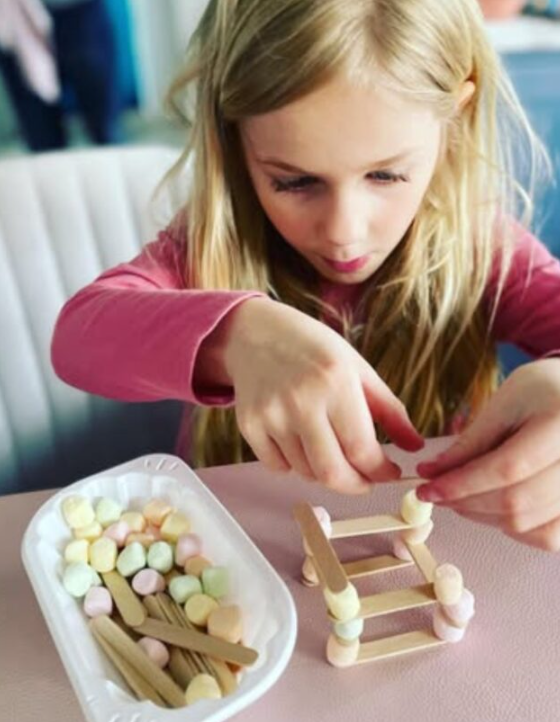
Build a Tower is a creative challenge that asks players to make the tallest stable structure using a limited set of items. I provide stackable objects such as lightweight blocks, plastic cups, or suitable pieces of produce.
Everyone has one minute to build their tower. When time runs out, I check which structures are still standing and compare their heights. The tallest stable tower wins the round.
I prefer using reusable building materials because they are easier to handle and don’t waste food. If I use fruit or vegetables, I choose firm pieces that can be stacked without rolling easily.
37. Suck It Up
Suck It Up is a quick challenge that uses straws to move small pieces of paper from one container to another. I place the paper squares in one cup and give each player a straw and an empty cup.
When the timer starts, players use suction through the straw to lift one piece at a time and transfer it to the second cup. The person who moves the most pieces within the time limit wins.
I use clean, lightweight paper pieces rather than food, beads, or tiny objects that could be inhaled. Each player has their own straw, and the game should be supervised when children are participating.
38. Worm Diving
Worm Diving is a messy party challenge using gummy worms and whipped cream. I place several gummy worms on a plate covered with whipped cream, then ask players to retrieve them without using their hands.
Each player gets a short time limit to collect as many gummy worms as possible. The player who retrieves the most wins, and everyone can enjoy the silly expressions that come with the challenge.
I check food allergies and dietary restrictions before preparing the plates. For a cleaner version, I hide gummy worms beneath small paper cups and let players find them using clues instead.
39. Bike Ride
A family bike ride is a good option when everyone wants to spend time outdoors instead of staying inside for game night. I choose a route that matches the youngest or least experienced rider, whether that’s a quiet park path or a short neighborhood loop.
Before leaving, I check the bikes, tires, brakes, and helmets. I also bring water and plan a few stops so everyone can rest and enjoy the surroundings.
To make it feel more like a game, I create a nature-spotting challenge. Players can look for birds, different types of leaves, or interesting landmarks along the route without racing or distracting one another while riding.
40. Bake a Dessert
Baking a dessert is a lovely way to finish a family game night because everyone gets to help create something they can share. I choose a recipe that suits the group’s experience, such as cookies, brownies, cupcakes, or a simple cake.
I divide the work into manageable tasks. Children can measure ingredients, stir mixtures, arrange cupcake liners, or decorate cooled treats, while an adult handles sharp tools, hot trays, and the oven.
Once the dessert is ready, everyone can judge the results based on taste, appearance, and creativity. I like this activity because the reward isn’t just winning a game; it’s enjoying something the whole family made together.
How Do I Make Family Game Night More Fun?
I find that the best family game nights are the ones where everyone feels included. A few simple decisions can make the evening run more smoothly and help prevent the games from becoming tiring.
- Choose a mix of games: Combine guessing games, creative challenges, and active activities instead of playing the same type all evening.
- Keep the rules simple: Explain each game before starting and demonstrate a round if anyone is unsure.
- Adjust for different ages: Give younger children easier questions, shorter rounds, or help from a teammate.
- Prepare supplies in advance: Gather paper, cups, balloons, pens, and other materials before everyone sits down.
- Keep the competition friendly: Use small prizes, team points, or funny rewards rather than making every round too serious.
- Allow breaks: Give everyone time to get a drink, have a snack, or choose the next game.
What Do I Need for a Family Game Night?
I usually start with items already available at home. Depending on the games I choose, I might need paper, pens, cups, balloons, playing cards, a soft ball, a phone timer, or a few household objects.
For cooking games, I prepare suitable ingredients and arrange adult supervision. For physical games, I clear enough space to move safely and remove breakable items.
I don’t try to organize all 40 games in one evening. Choosing around four to six activities is often a practical starting point, leaving enough time for everyone to enjoy each game without rushing.
Conclusion
These 40 family game night ideas offer plenty of ways to make time together more enjoyable, whether I want a quiet guessing game, a lively team competition, or a creative activity everyone can share. From Mad Libs and Charades to Junk in the Trunk and baking a dessert, there’s an option for different ages, interests, and budgets.
My favorite approach is to keep the setup simple, choose games that suit the group, and focus on having fun rather than winning every round. With a few household supplies and a little planning, an ordinary evening can become a family tradition everyone looks forward to.