25 Christmas Games Ideas for Festive Holiday Fun
Christmas gatherings are more enjoyable when everyone has something fun to do, but choosing activities that suit different ages can take time. I like to keep holiday games simple, affordable, and easy to organize so guests can join in without feeling pressured to compete.
In this guide, I’m sharing 25 Christmas game ideas for 2026, including quick tabletop challenges, active team games, creative activities for children, and quieter options for adults. You’ll find ideas for family gatherings, classroom celebrations, office parties, and Christmas game nights. Most use everyday supplies, so you can plan an entertaining event without spending a lot on decorations or equipment.
Whether I’m hosting a small family evening or planning activities for a larger group, I find it helpful to mix energetic games with calmer ones. That way, everyone has a chance to participate and enjoy the celebration at their own pace.
Key Takeaways
- For families: Choose simple games such as Christmas Tic-Tac-Toe, word challenges, or festive puzzles.
- For larger parties: Try gift-wrapping relays, reindeer antler races, or outdoor team challenges.
- For teenagers: Use timed challenges, funny team tasks, and creative photo activities.
- For small gatherings: Backgammon, card games, and Christmas storytelling are easy to organize.
- For budget-friendly fun: Cotton balls, paper cups, wrapping paper, and dice can provide plenty of entertainment.
- My planning tip: Prepare the supplies beforehand, explain the rules briefly, and keep participation optional so everyone feels comfortable.
What is a Good Game for Christmas?
I think a good Christmas game is one that gets people involved without requiring complicated rules or expensive supplies. The best choice depends on who is attending, how much space you have, and whether your guests prefer quiet activities or lively competition.
For family gatherings, I often recommend word games, Christmas trivia, charades, and simple challenges that children and adults can enjoy together. For office parties, team activities and quick icebreakers help people interact without making anyone feel uncomfortable.
Before choosing your games, I consider three things: the ages of the players, the available space, and the time each activity will take. I also prepare a few short games for guests who arrive early or prefer not to join the main competition. This small amount of planning makes the party easier to manage and more enjoyable for everyone.
Chocolate Grab Game

The Chocolate Grab Game is a simple choice when I want to get a family gathering started with a little friendly competition. It works particularly well for children and chocolate lovers, and the preparation takes only a few minutes.
How I set it up:
- Place individually wrapped chocolate bars or other small treats in a large bowl.
- Give each player a smaller bowl or container.
- Set a timer for 30–60 seconds.
- Let everyone collect as many treats as possible before time runs out.
For an extra challenge, players can use a spoon instead of their hands. I recommend setting a clear limit on how many treats each person can take so everyone gets a fair chance.
I keep the chocolate away from heat sources and check for food allergies before serving anything. A bowl of wrapped sweets makes a simple, colorful centerpiece for the game.
Santa Bowling Game
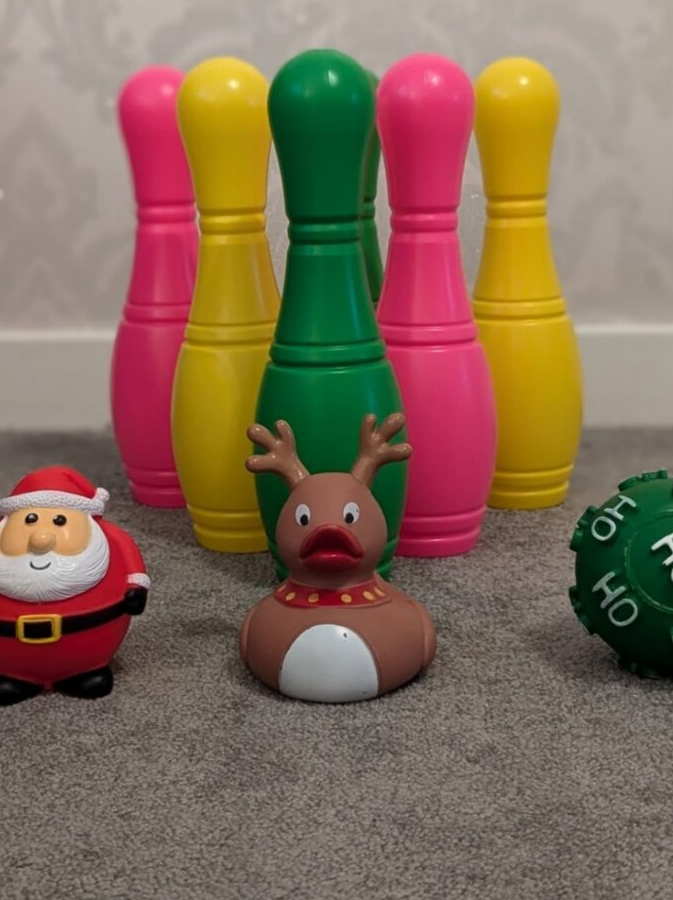
Santa Bowling brings a familiar game into the Christmas celebration. I like this idea because it gives children an activity that involves movement, while adults can join in without needing special skills.
How to play:
- Arrange six to ten lightweight plastic bottles or toy bowling pins in a triangle.
- Decorate them with paper Santa hats, snowman faces, or red and green ribbons.
- Give each player two rolls with a soft ball.
- Count how many pins each player knocks down, then reset the pins for the next turn.
If younger children are playing, I move the pins closer to the throwing line. Older players can stand farther away or try to knock down all the pins in one roll.
I use lightweight decorations and a soft ball, especially indoors. Keeping the lane clear of furniture helps prevent accidental bumps and makes it easier for everyone to take a turn.
M&M Dice Game
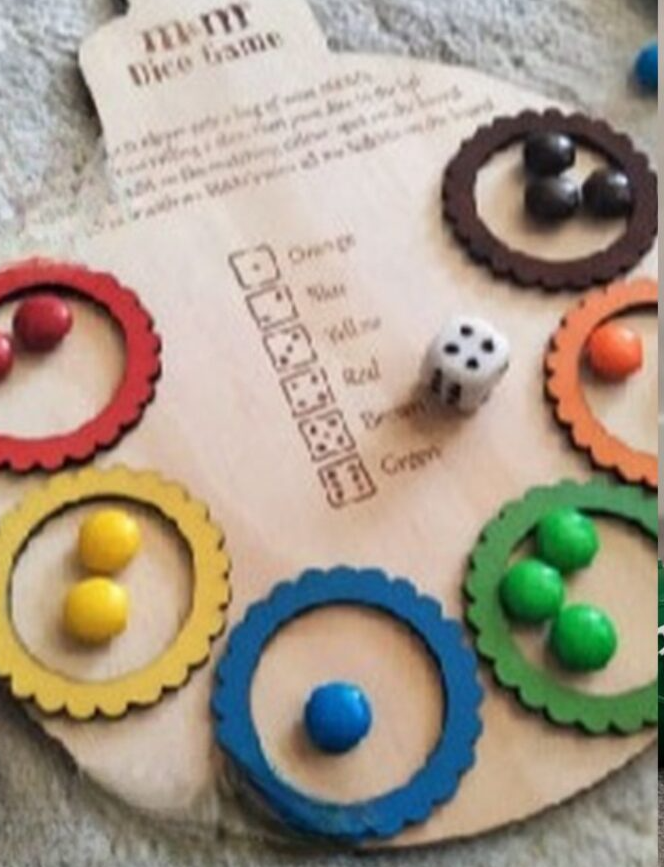
When I need a game for a small gathering, I turn to a dice-and-candy challenge. The rules are easy to explain, and players can join from their seats while enjoying a snack.
How I organize it:
- Place different colors of candy in a bowl.
- Give each player a small container.
- Assign a color to each number on a standard six-sided die.
- Have players roll in turn and collect a candy of the matching color.
If the number rolled corresponds to a color that has run out, the player skips that turn. The game ends after a set number of rounds or when the candy runs out. The player with the most candies wins.
I prefer to set a fixed number of rounds because it keeps the activity from dragging on. For younger children, I use larger non-food tokens instead of small candies when choking is a concern, and I always check allergy information before offering food.
Backgammon Board Game
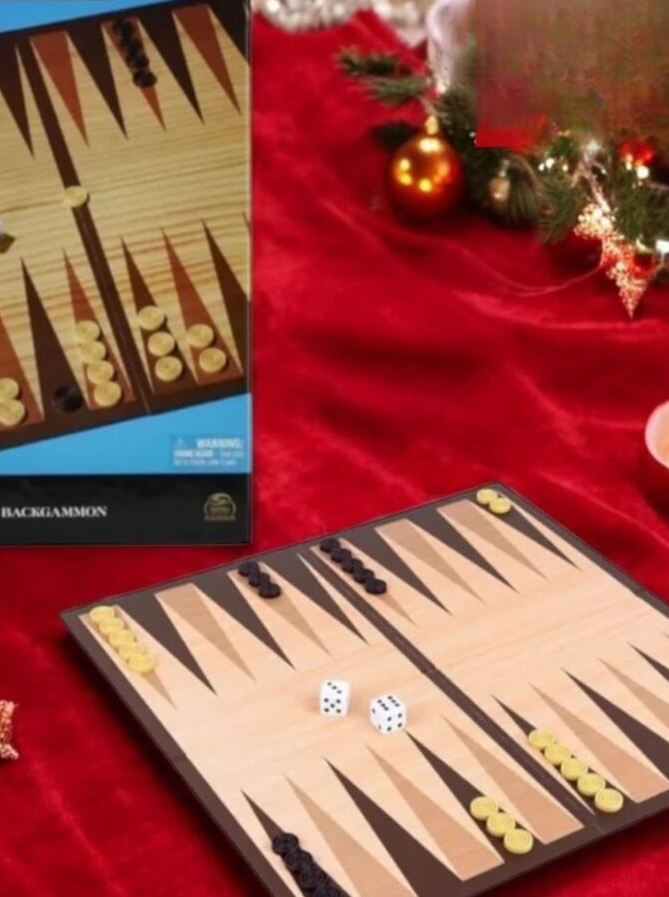
Not every Christmas activity needs to be loud or fast-paced. I like having a board game available for guests who enjoy a quieter challenge, and backgammon is a good option for two players who want to talk while they play.
The game uses a board, checkers, and two dice. Players roll the dice to move their pieces around the board, aiming to move all their checkers into their home board and bear them off before their opponent does.
If some guests have never played before, I keep the rules nearby and offer a quick demonstration. A short practice round helps beginners understand the movement of the pieces without feeling rushed.
I set the board on a stable table away from the busiest part of the room. This gives players a comfortable space to concentrate while everyone else enjoys the party.
Christmas Word Game
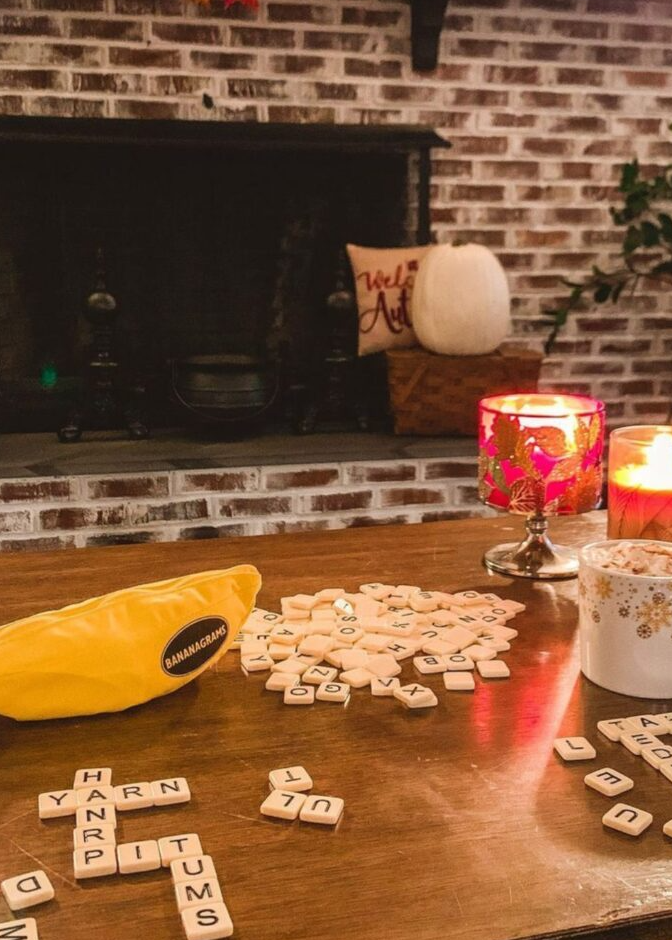
A Christmas word game is one of my favorite low-cost options because it works for different ages and requires very little preparation. It is especially useful when guests are sitting around the table or waiting for dinner.
How to play:
- Write a list of holiday words, such as reindeer, stocking, snowflake, and gingerbread.
- Give each player paper and a pencil, or use letter tiles if you have them.
- Set a timer for two or three minutes.
- Ask everyone to write as many Christmas-related words as possible from a chosen set of letters or theme.
- Award one point for each valid word, with extra points for longer words if you want a harder version.
I adjust the difficulty to suit the group. Younger children can name holiday objects, while adults can work with anagrams or longer words.
To avoid disagreements, I explain the scoring rules before the timer starts. A printed word list also makes it easier to check answers quickly.
Teen Christmas Challenge

For a teenage Christmas party, I prefer activities that feel playful rather than childish. A mix of quick challenges, holiday trivia, and team competitions gives everyone a reason to join in without needing a large collection of supplies.
Challenge ideas I would include:
- Name five Christmas movies in 20 seconds.
- Guess a holiday song from a short hummed tune.
- Wrap a small empty box using one hand.
- Draw a snowman while keeping your eyes closed.
- Identify Christmas objects from clues without saying their names.
Write each challenge on a separate piece of paper and place the slips in a bowl. Players can take turns drawing one and completing it within the time limit.
I keep the challenges lighthearted and avoid dares that involve embarrassment, unwanted physical contact, or posting photos without permission. The aim is to make the group laugh together, not to put anyone on the spot.
Giant Christmas Game Station
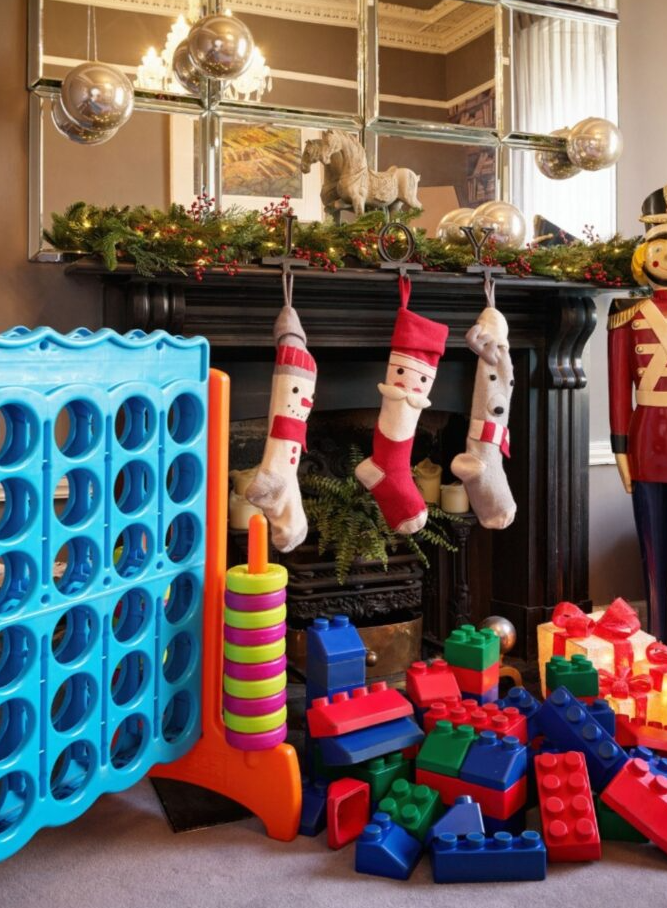
If I am organizing a larger family gathering, I like the idea of a giant game station where guests can move between activities. Oversized games are easy to spot across a room and can become a natural meeting point for people who want something to do between meals or other festivities.
I would set up giant Jenga, oversized Connect Four, and large building blocks in separate areas. Each station can have a simple instruction card so guests can start playing without waiting for a host to explain the rules.
For a mixed-age group, I place the easiest games where younger children can reach them and keep more challenging games available for older players. I also leave enough space around each station for players to move comfortably.
If you do not own oversized games, you can create a similar setup with homemade paper-based challenges, stacking cups, or large cardboard pieces. The important part is giving guests a few different activities to choose from.
Jingle Bell Toss
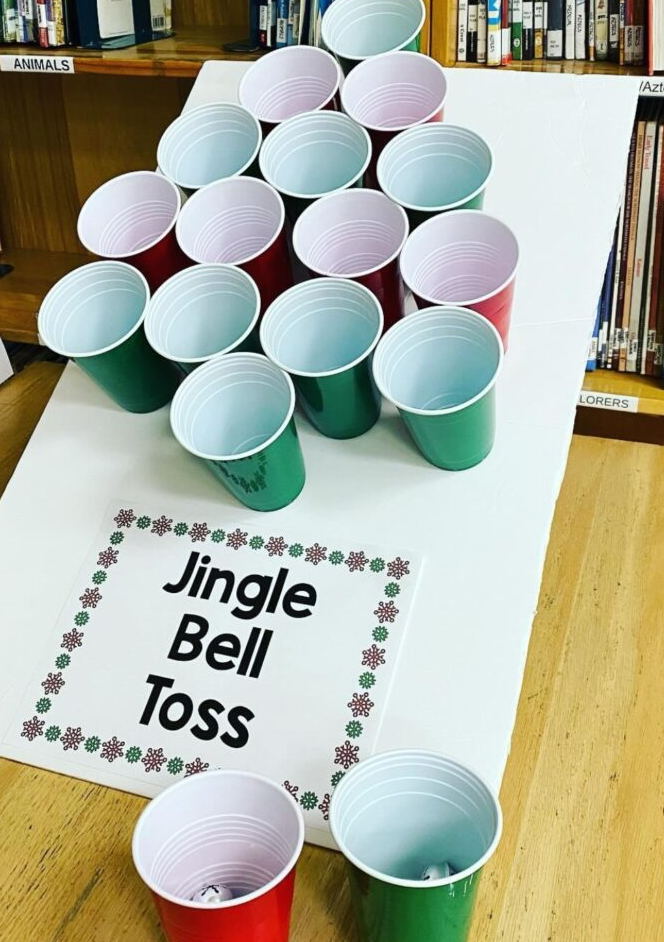
Jingle Bell Toss is a quick target game that works well for Christmas parties, classrooms, and family evenings. I like it because the setup is inexpensive, and players can take turns without needing much room.
How to set it up:
- Arrange red and green cups in a triangle on a sturdy table or low platform.
- Mark a throwing line a suitable distance away.
- Give each player five small, lightweight objects to toss.
- Award one point for each object that lands in a cup.
You can use ping-pong balls or other suitable lightweight items. If you choose jingle bells, make sure they are large enough for the age group and supervise young children because small bells can be choking hazards.
I give the cups different point values for an extra challenge, placing higher-value cups farther away. This adds strategy without making the rules difficult to understand.
Outdoor Christmas Game Lounge
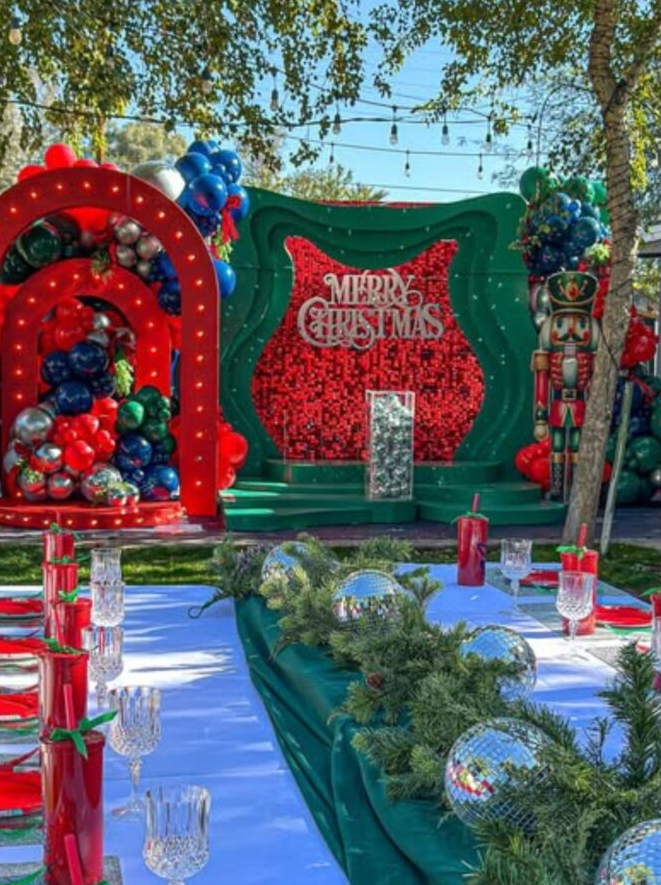
When the weather and available space allow it, I like turning a backyard into an outdoor Christmas game lounge. It gives guests room to move around and makes it easier to run several activities at once.
I would create separate stations for ring toss, holiday trivia, and short relay races. Each station should have its supplies ready and a clear explanation of how to play. Guests can move between activities at their own pace instead of waiting for one large game to finish.
For evening gatherings, I use outdoor-rated lighting and keep electrical connections away from wet areas. I also check the ground for slippery patches, uneven surfaces, and obstacles before starting the games.
If the weather is cold, rainy, or windy, I move the activities indoors or choose tabletop alternatives. A successful outdoor game lounge depends more on comfort and good organization than on elaborate decorations.
Santa’s Beard Game
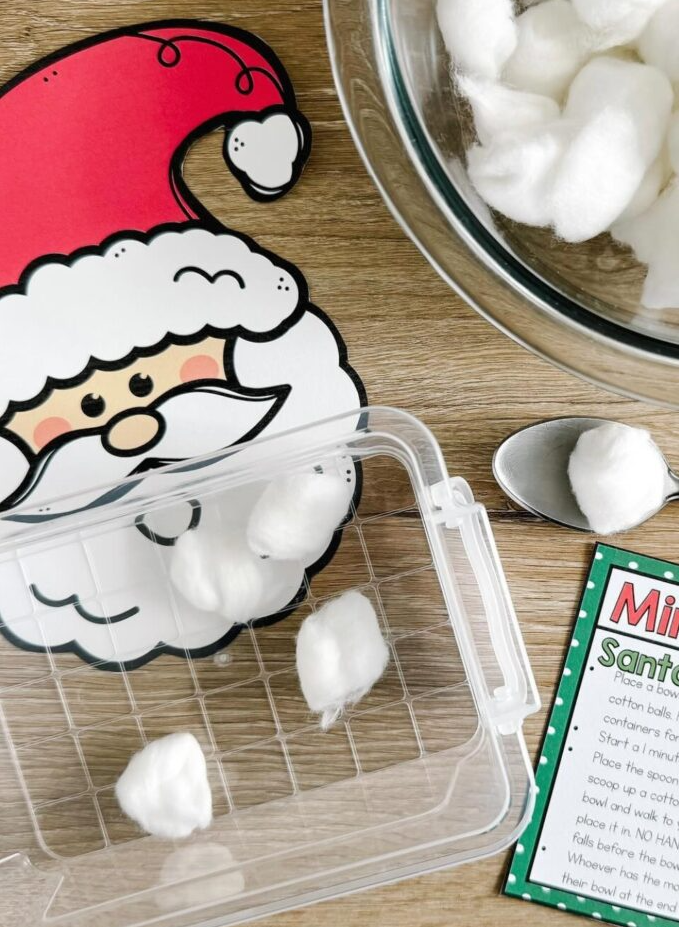
Santa’s Beard is a funny, simple challenge that can work at family parties, school celebrations, and office events. I like the idea because the materials are inexpensive and players can understand the goal almost immediately.
What you need: Cotton balls, two bowls per player or team, and a spoon.
Place the cotton balls in one bowl and an empty bowl beside it. Players must use the spoon to transfer as many cotton balls as possible into the empty bowl within 30 seconds. For a more challenging version, players can hold the spoon in one hand and keep their other hand behind their back.
Count the cotton balls in the receiving bowl when time runs out. The player or team that transfers the most wins.
I keep the cotton balls away from very young children who might put them in their mouths. You can also substitute larger soft fabric balls to make the activity easier to manage.
Punch Cup Christmas Game
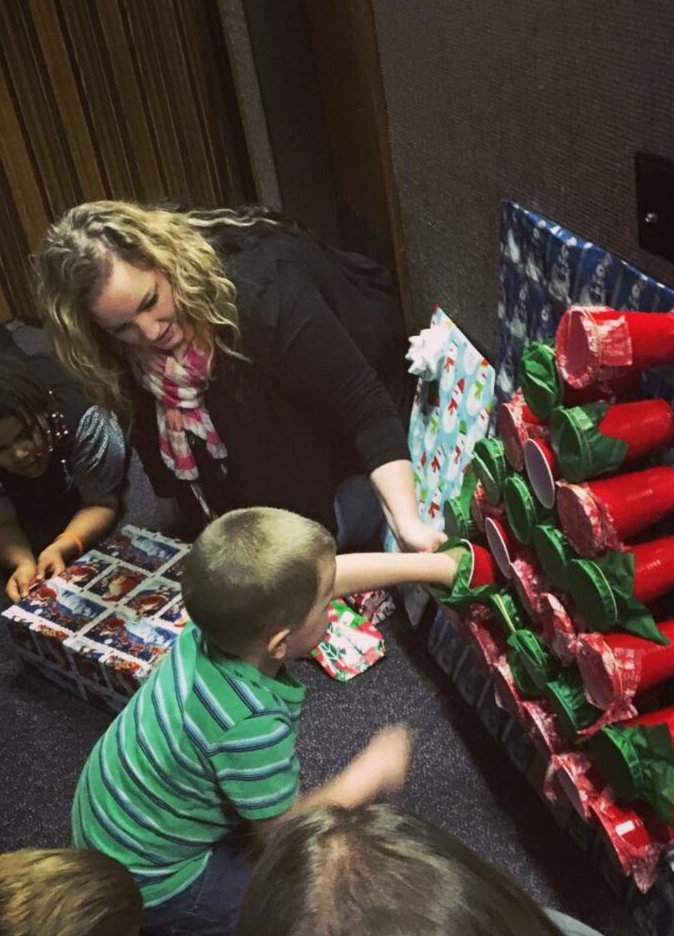
A Christmas punch cup game adds an element of surprise because players do not know which prize they will get. I would use it for children’s parties, family gatherings, or a holiday event where guests enjoy small rewards.
How I make it:
- Arrange disposable cups on a sturdy cardboard or foam board.
- Place a small prize or folded note inside each cup.
- Cover the opening of each cup with tissue paper and secure it around the rim.
- Let each player choose a cup and gently break through the tissue paper to reveal the surprise.
Possible prizes include stickers, holiday pencils, small toys, or notes offering a bonus point in another game. I keep the prizes similar in value so the activity feels fair.
For safety, I avoid sharp objects, fragile items, and tiny prizes for children who may put things in their mouths. I also secure the board firmly and make sure players can reach the cups without pushing or leaning over one another.
Reindeer Antler Balloon Game

If I want a lively group activity that produces funny photos, the Reindeer Antler Balloon Game is a strong choice. Players work in teams to create a pair of antlers using balloons and a stretchy head covering.
How to play:
- Divide guests into teams of two or more.
- Give each team balloons and a clean, suitable head covering.
- Set a short time limit for inflating the balloons and arranging them into antlers.
- Have one teammate wear the finished antlers while the group presents its creation.
- Let everyone vote for the funniest or most creative design.
I would use a hand pump rather than asking guests to inflate balloons by mouth, particularly when many people are playing. Keep uninflated balloons and broken pieces away from young children, and stop the game if a covering feels too tight or uncomfortable.
This game is best when the emphasis is on creativity rather than speed alone. I would judge the results on appearance, teamwork, and originality to give each team a fair chance.
Outdoor Santa Sports Game
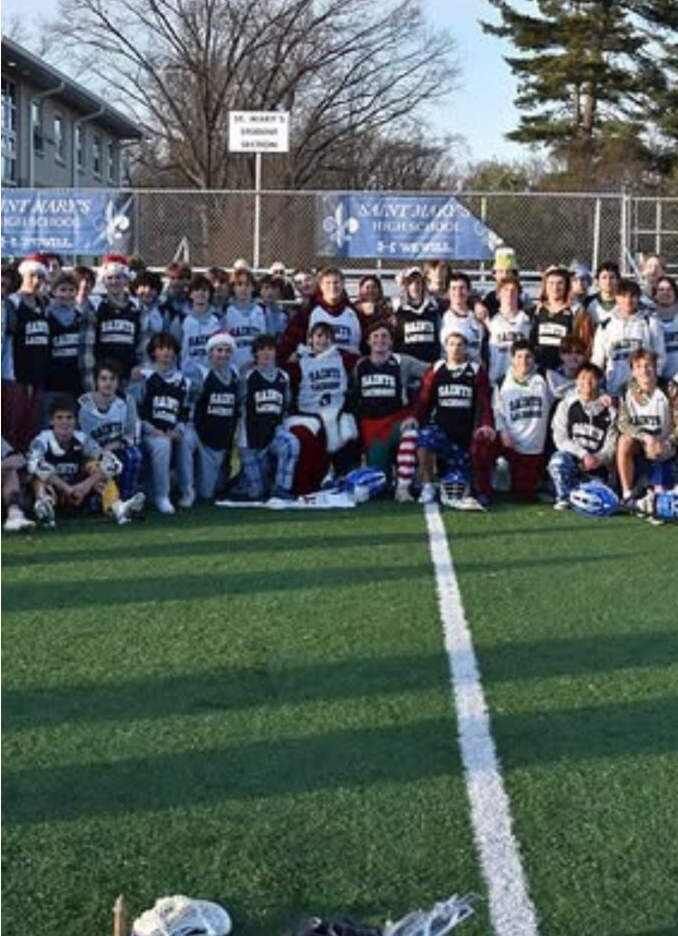
For a large gathering, I like organizing a Christmas sports day with several short team challenges. It is a good fit for youth groups, school events, neighborhood parties, and families with enough outdoor space.
I would divide players into teams and rotate them through activities such as a Santa hat relay, a festive ball toss, and a simple obstacle course. Give each team points for completing the tasks, then add up the scores at the end.
To keep the event organized, I prepare the equipment before guests arrive and explain each activity before the first round. I also make sure every challenge has an easier version for younger children or guests who prefer less movement.
Choose a flat playing area and use soft balls and lightweight props. If you are hosting after dark, make sure the playing space is well lit and that players can see the boundaries clearly.
Christmas Puzzle Challenge
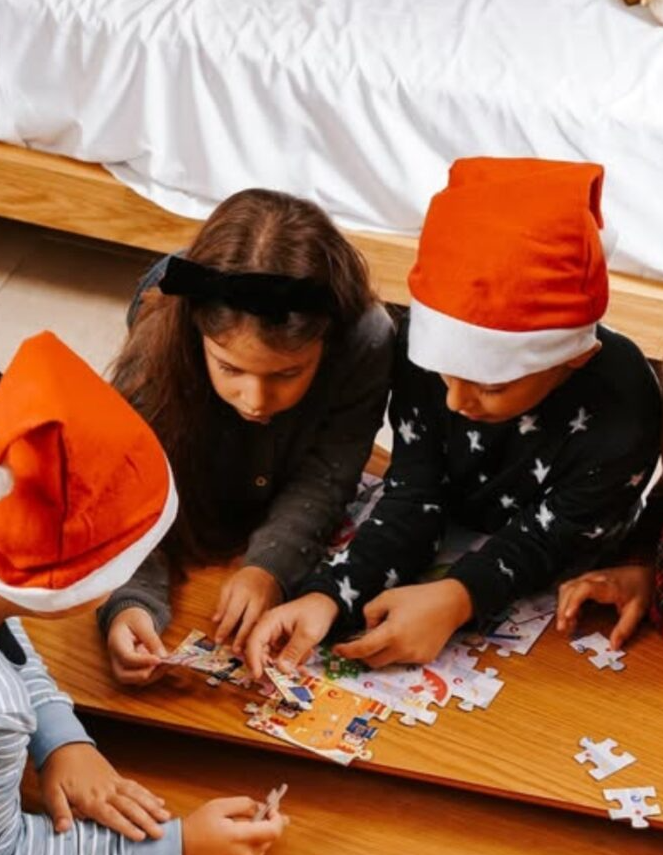
A Christmas puzzle challenge is a calmer alternative to running and team competitions. I like using it when children need a quiet activity or when guests want to spend time together without following a strict schedule.
Choose a jigsaw puzzle featuring a Christmas tree, snowy village, festive animals, or another seasonal picture. Place it on a table where several people can reach the pieces comfortably.
For a friendly competition, divide the group into teams and give each one a similar puzzle. Set a reasonable time limit and see which team completes its picture first. For younger children, I prefer a simpler puzzle with larger pieces and no time pressure.
I keep the puzzle in a separate area so players can return to it throughout the gathering. It is also a useful activity for guests who prefer cooperation over winning.
Gift Wrapping Relay
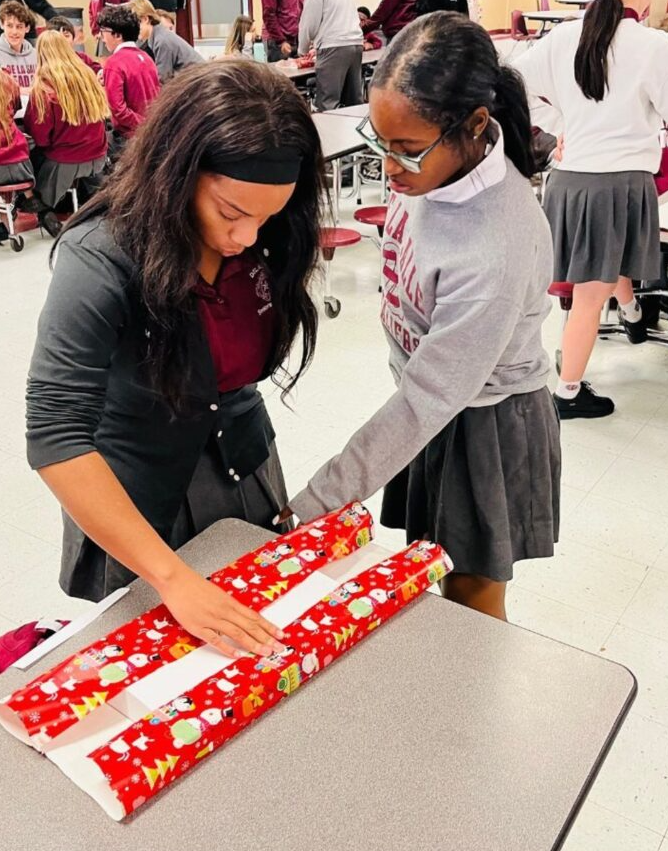
Gift Wrapping Relay combines a familiar Christmas task with a little friendly competition. I find it especially suitable for office parties, family events, and groups that enjoy working in teams.
How to organize the relay:
- Divide players into teams and provide each team with an empty box, wrapping paper, tape, and ribbon.
- Choose a wrapping task, such as covering a small box and adding a bow.
- Set a timer for two or three minutes.
- Ask each team to finish its gift before time runs out.
- Judge the results on neatness, creativity, and teamwork.
For an extra challenge, players can wrap with one hand or take turns adding one piece of tape at a time. I would avoid rules that make the task unnecessarily frustrating, especially when younger children are involved.
Use child-safe scissors when needed, or prepare pre-cut paper to make the game easier. Empty boxes are ideal because no one has to worry about damaging an actual present.
Christmas Candle Game

When I want a quieter activity that encourages people to share memories, I like a Christmas storytelling game. It is less competitive than many party challenges and can help family members learn things about one another.
Have everyone sit in a circle and prepare a bowl of questions. Players take turns choosing a question and answering it. You might ask about a favorite childhood Christmas, a memorable holiday meal, a gift that made someone happy, or a tradition they would like to continue.
You can add a carol challenge by asking each person to name a Christmas song or sing a short line if they feel comfortable. I always make participation optional so nobody feels pressured to share personal stories or perform.
A candle can create a cozy atmosphere, but I prefer an LED candle for a group activity, especially when children are present. It gives you the same warm effect without an open flame.
Christmas Table Game
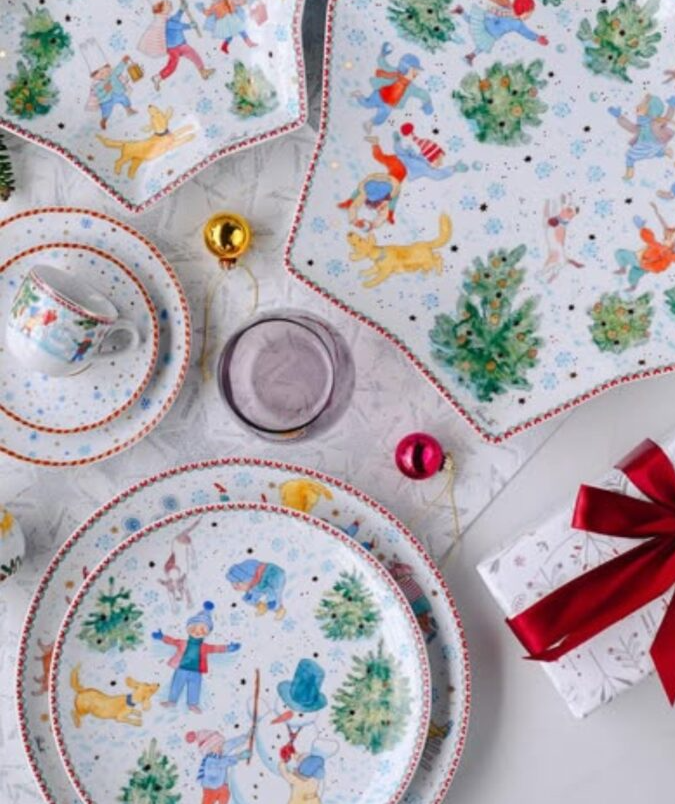
The Christmas dinner table can double as a game area without requiring a separate room or extra furniture. I like this approach when space is limited or when guests are already gathered for a meal.
Before dinner, I place a few question cards or small guessing challenges beside each place setting. Guests can answer questions between courses, guess the number of sweets in a jar, or try to identify a Christmas song from a written clue.
Here are a few questions I might use:
- What is one Christmas tradition you enjoy most?
- Can you name three foods often served during the holidays?
- Which Christmas film can you identify from a short description?
- What is the funniest holiday mishap you remember?
I keep the questions light and avoid anything that could make a guest uncomfortable. If children are at the table, I include simple questions they can answer too. Small prizes are optional; conversation is often enough to make the activity worthwhile.
Classic Game Corner
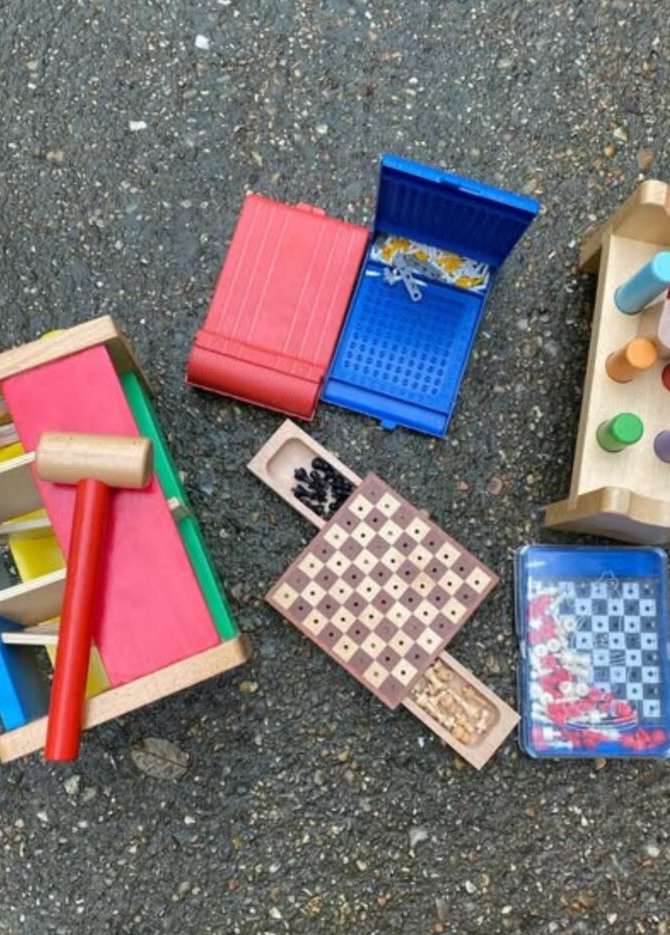
I like keeping a classic game corner available for guests who want a break from the main party activities. Chess, checkers, cards, and wooden puzzles are familiar choices that do not require a Christmas-specific version to fit the occasion.
Arrange two or three games on a small table and leave their pieces organized so people can begin playing whenever they like. A short instruction sheet is helpful if a game is unfamiliar to some guests.
For larger groups, I would include games that can be played in pairs as well as simple group options. That way, guests do not have to wait for one long game to finish before they can participate.
I also keep this corner away from speakers and busy walkways. A quieter space gives people a chance to chat, concentrate, or enjoy a more relaxed part of the celebration.
Countdown Activity Game
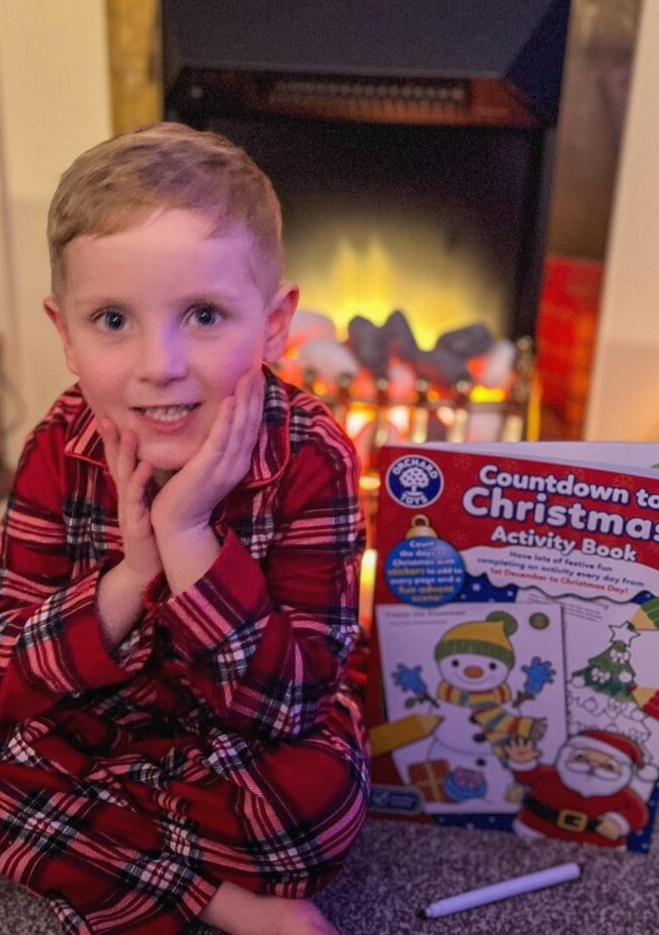
A Christmas countdown activity game gives children something to look forward to in the days before December 25. I like it for families who want to spread the festive fun across the month instead of saving every activity for Christmas Day.
Prepare numbered envelopes or small paper pockets, one for each day of your chosen countdown. Inside each one, place a simple activity such as drawing a Christmas tree, solving a holiday riddle, making a paper snowflake, or naming a favorite festive song.
You can make the activities as simple or creative as your schedule allows. On busy days, a five-minute challenge is enough; on weekends, you might plan a longer craft or family game.
I choose activities based on the children’s ages and the materials already available at home. This keeps the countdown affordable and avoids creating a long list of tasks that becomes difficult to finish.
Christmas Tic-Tac-Toe
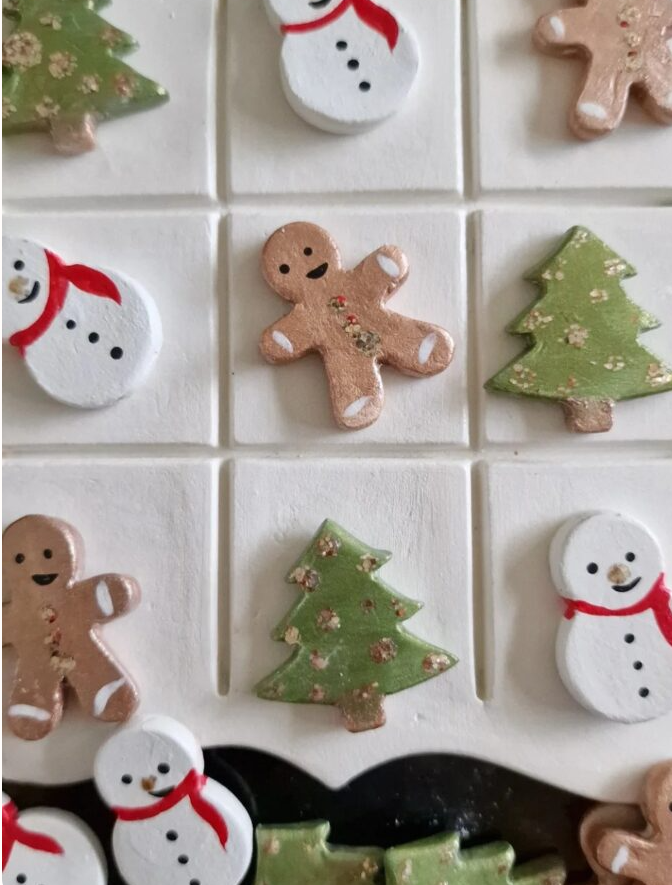
Christmas Tic-Tac-Toe is a quick activity I would use for children, classroom celebrations, or a small game table at a holiday party. It takes only a few minutes to prepare and is easy to play between other activities.
Draw a three-by-three grid on paper or cardboard. Use two types of Christmas-themed playing pieces, such as gingerbread figures and little Christmas trees, instead of the usual Xs and Os.
Players take turns placing one piece in an empty square. The first person to make a line of three horizontally, vertically, or diagonally wins. If all the squares are filled without a winning line, the round ends in a draw.
For younger children, I use large paper pieces that are easy to handle. You can laminate the board or place it inside a clear plastic sleeve so it can be reused throughout the season.
DIY Christmas Photo Props Game
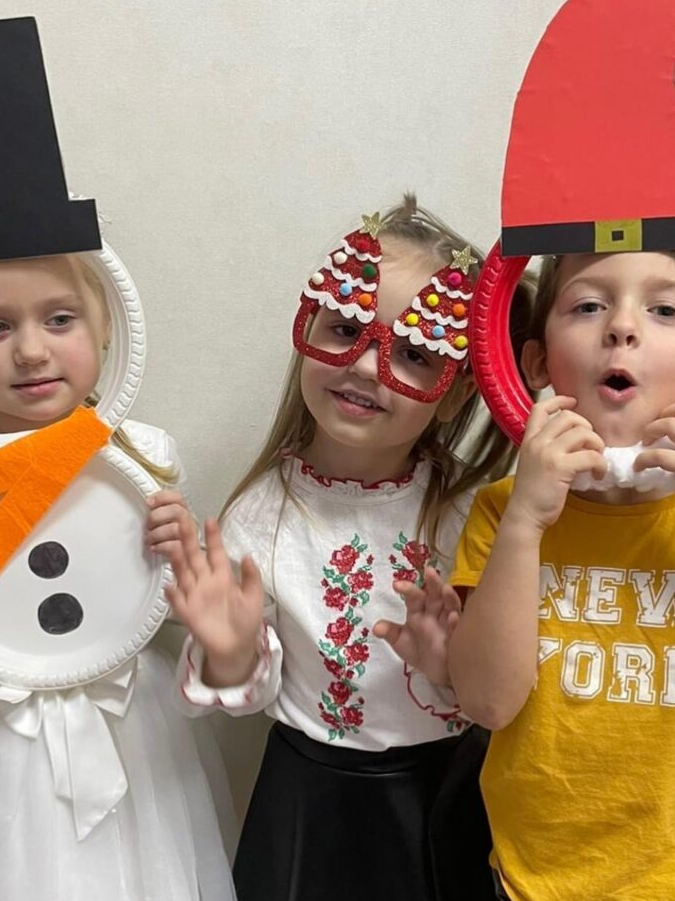
A DIY Christmas photo props game gives guests a creative activity and produces pictures they can enjoy after the party. I like this idea because the props can be made from inexpensive craft materials, and people can participate in different ways.
Prepare paper Santa hats, reindeer antlers, speech bubbles, oversized glasses, and festive signs. Attach the designs to craft sticks or place them on a table beside a simple Christmas backdrop.
To turn the photo station into a game, write photo challenges on cards. Guests might pose like a snowman, recreate a scene from a Christmas film, or take a group photo showing their funniest holiday expression.
I let guests choose whether they want their pictures taken or shared. If children are participating, I check with their parents before photographing or posting images online. A few simple props and clear permission rules can make the activity fun without making anyone feel uncomfortable.
Holiday Sword Duel Game
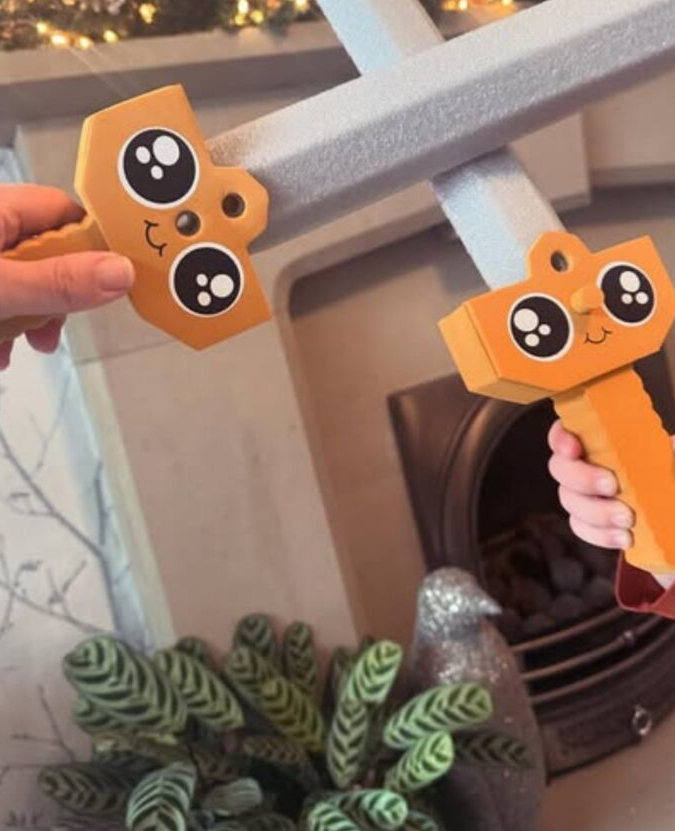
For groups that enjoy playful action, I would adapt the Holiday Sword Duel into a soft-prop challenge. The goal is to make it silly and theatrical rather than turn it into a rough physical competition.
Use lightweight foam toy swords and mark a clear playing area. Players can compete in short rounds where they try to tap a designated target, such as a padded shield, while keeping their feet within the marked space.
I would set simple rules before starting: no hitting people, no swinging near faces, and no pushing or grabbing. An adult should supervise when children are playing, and anyone who does not want to participate can take the role of scorekeeper or judge.
For a gentler alternative, players can duel using paper snowflakes or foam rings, trying to knock a target off a stand. This keeps the playful theme without requiring physical contact.
Snowball Blow Race
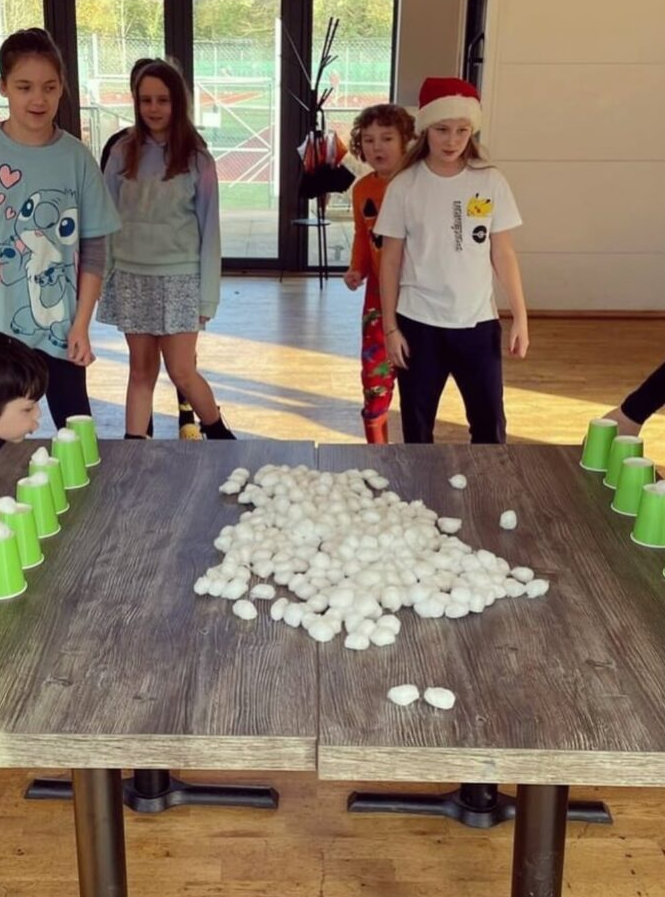
The Snowball Blow Race is an inexpensive tabletop game that works well when the weather keeps everyone indoors. I like it because the setup is simple, the rules are easy to follow, and a round can be finished in less than a minute.
How to play:
- Place two or three paper cups at the finish line.
- Give each player a large, lightweight cotton ball or soft paper ball.
- Mark a starting line on the table.
- Ask players to move their snowballs toward the finish using only their breath.
- The first player to reach the finish line wins.
I use large, soft paper balls for groups with young children because loose cotton can pose a choking risk. Players should have separate lanes and enough space so they do not bump into one another.
For a team version, each player moves one snowball to the finish before the next teammate takes a turn. This adds cooperation and makes the activity suitable for a larger group.
Wrap the Tree Game
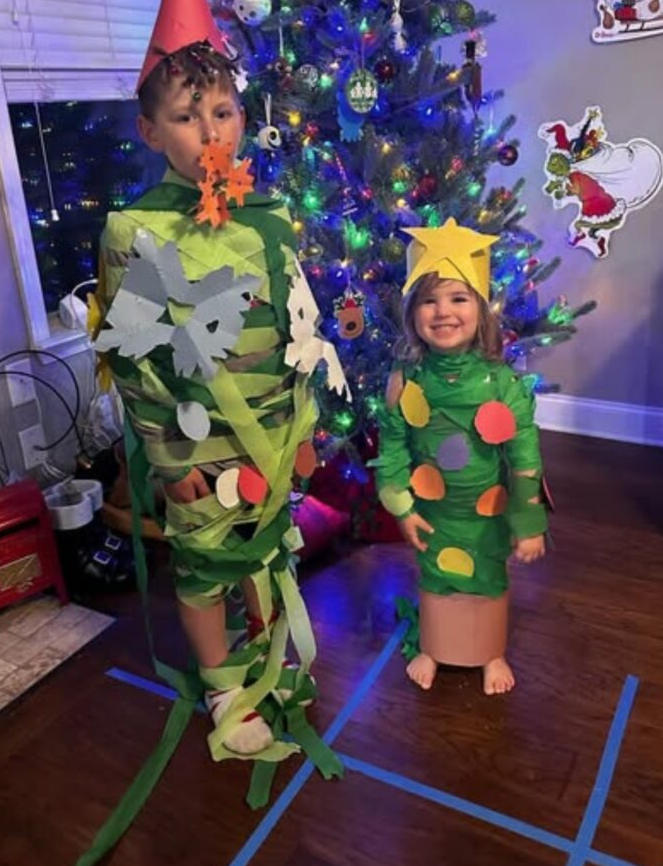
Wrap the Tree is a creative team challenge that can bring plenty of laughter to a family gathering or classroom party. Instead of decorating a real tree, teams turn one willing teammate into a human Christmas tree using lightweight paper streamers and decorations.
Divide the group into teams and give each one green crepe paper, paper ornaments, and removable decorations. Set a timer for three to five minutes, then ask teams to create their own Christmas tree design.
When time is up, let everyone look at the results and vote for categories such as most creative tree, funniest design, or best teamwork. I prefer several award categories so the activity does not focus only on one winner.
Keep streamers loose around the body and never cover a person’s face, neck, or mouth. Use lightweight materials and avoid wrapping anyone tightly. Participants should be able to stop or remove the decorations easily at any time.
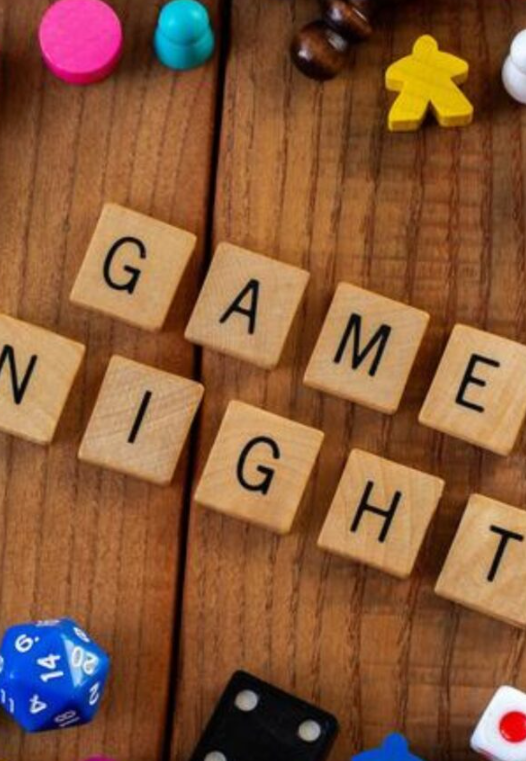
Christmas Game Night Vibes
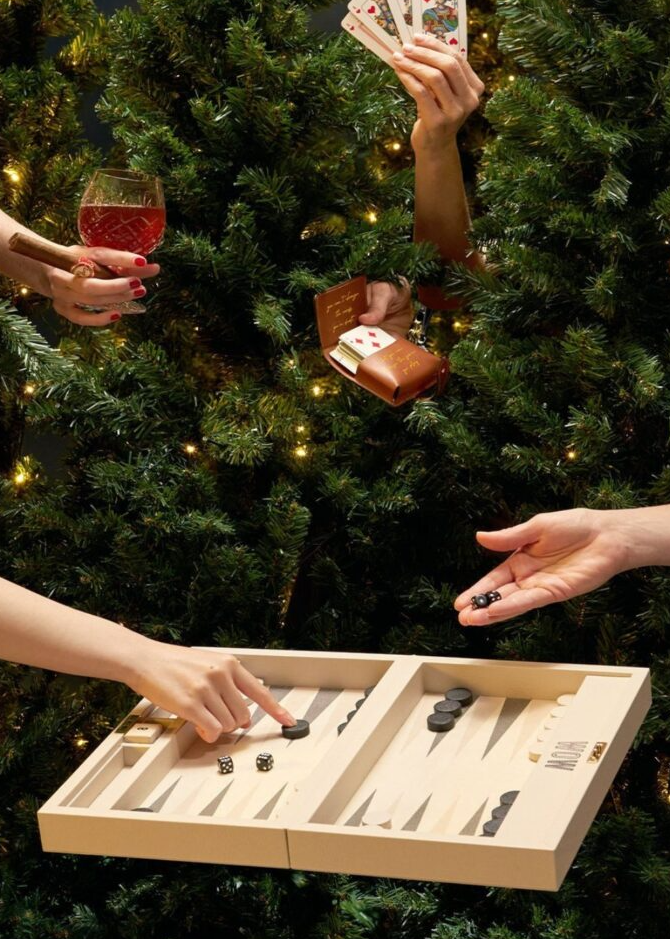
A Christmas game night does not need to revolve around one activity. I find that combining a few familiar games with seasonal snacks and a comfortable setup gives guests more freedom to enjoy the evening.
I would start with a quick group game, such as Christmas trivia or a word challenge, before offering board games, cards, and backgammon for smaller groups. Guests who prefer not to compete can join a puzzle or simply enjoy the conversation.
To keep the evening moving, I prepare the games in advance and choose activities that vary in length. A short game can bring everyone together, while longer board games are better for guests who want to settle in for a while.
I also make sure the room has comfortable seating, enough table space, and snacks that are easy to serve. The best game nights leave room for conversation and unexpected moments instead of following a strict schedule.
FAQs
What are some classic family games?
Some classic family games I enjoy for Christmas gatherings include charades, Bingo, Pictionary, Uno, Jenga, and simple card games. They are familiar to many people and can be adapted for different ages and group sizes.
For a larger family gathering, I would choose charades or Pictionary because several people can participate together. For a quieter evening, board games and card games are good options for smaller groups.
If younger children are joining, I choose games with straightforward rules and short rounds. I also like mixing a familiar game with one new Christmas-themed activity so the evening feels festive without requiring guests to learn too many rules.
How to plan a Christmas play?
When planning a Christmas play, I start by choosing a simple theme and deciding how long the performance should be. A short story about the Nativity, Santa’s visit, or a family’s holiday preparations can work well, depending on the audience and occasion.
Here is the approach I would follow:
- Choose the story: Pick a theme that suits the performers’ ages and the event.
- Write a short script: Keep the dialogue easy to remember and give everyone a clear role.
- Assign parts early: Let participants know their lines and responsibilities ahead of time.
- Plan rehearsals: Schedule a few manageable practice sessions rather than expecting everyone to learn everything at once.
- Prepare the stage: Use a simple backdrop, appropriate costumes, and safe decorations.
- Add music: Include familiar Christmas carols or instrumental music where it fits the story.
- Keep the performance focused: Set a realistic running time and allow time for the audience to settle before the show begins.
I would also prepare backup narrators or simplify a scene if someone cannot attend. Most importantly, I focus on helping the performers feel comfortable rather than expecting a perfect performance. The goal is to share a meaningful holiday moment with the audience.
Make Your Christmas Gathering More Fun
When I plan Christmas activities, I try to choose games that fit the people attending rather than filling the schedule with as many activities as possible. A few well-chosen games can bring children, teenagers, and adults together without making the celebration feel rushed.
For a lively party, I would start with a team challenge or gift-wrapping relay. For a smaller family gathering, word games, puzzles, and classic board games are easy to organize. If children are attending, I prepare the supplies beforehand and keep the rules short enough for them to understand.
My biggest tip is to offer a mixture of active and quiet activities, along with the option to sit out whenever someone prefers. With a little preparation and a few inexpensive supplies, you can create a Christmas gathering filled with laughter, conversation, and memories your guests will enjoy long after the decorations come down.